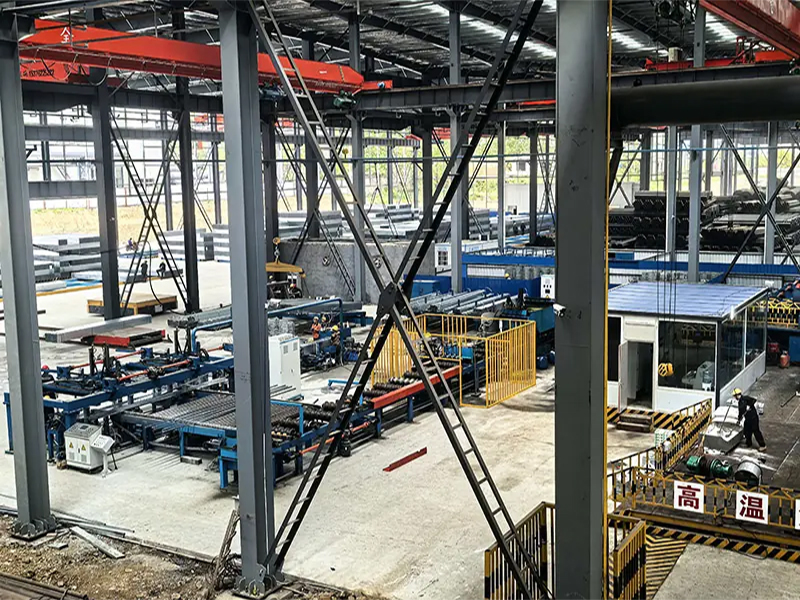
Overview of Hot Galvanizing Steel Pipe Plant
Steel pipes are widely used in water supply, gas pipelines, construction and industry where long-term corrosion resistance is important. Hot-dip galvanizing remains one of the most proven methods of protecting steel pipes - applying a metallurgically bonded zinc coating that can extend service life by up to several decades, significantly reducing maintenance costs.
As coating quality requirements become more stringent and production volumes increase, stricter environmental standards and increased productivity are forcing manufacturers to move from conventional lines to specially designed hot-dip galvanizing machines for steel pipes.
What isa 1/2″–4″Steel PipeGgalvanizationPLant
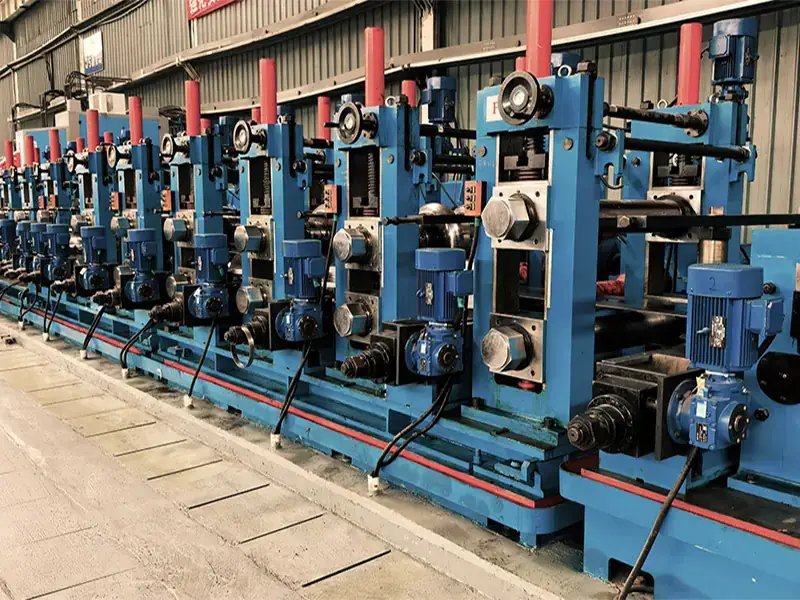
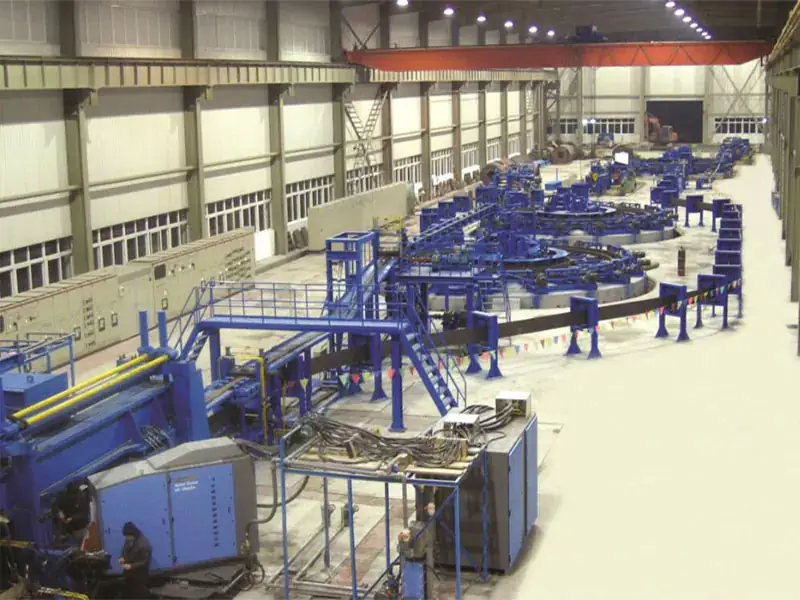
The 1/2″–4″ steel pipe hot-dip galvanizing plant is a fully automated production line designed to continuously protect finished steel pipes from corrosion. It processes round pipes from 1/2″ to 4″, square pipes from 30×30 mm to 100×100 mm and rectangular pipes from 30×50 mm to 50×100 mm, with a standard pipe length of 6.5 m (±0/+50 mm).
The system applies a metallurgically bonded zinc coating to welded steel pipes, providing long-term corrosion resistance for use in water supply, gas transportation, construction and industrial infrastructure projects.
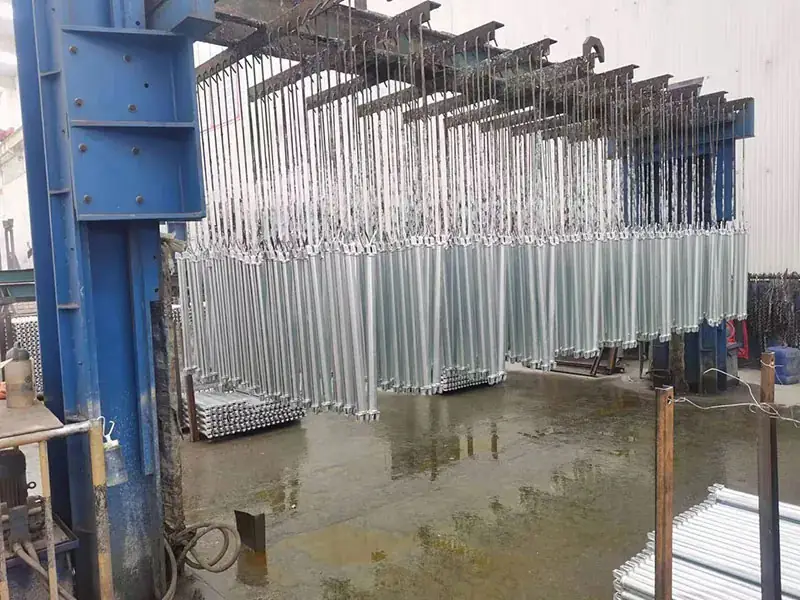
The production line carries out the complete hot-dip galvanizing process, including degreasing, pickling, washing, fluxing, drying, zinc immersion, external purging, internal purging, air cooling, water cooling, passivation, inspection and packaging. Each step is precisely controlled to ensure uniform zinc coating thickness, stable adhesion and consistent surface quality in continuous production.

Key BenefitsHot-dip galvanizing plant for steel pipes
Energy efficient stove design reduces fuel consumption
Unlike conventional brickworkgalvanization ovensThe system uses an all-fiber insulated furnace combined with patented high-speed pulsed combustion technology. Lightweight, fire-resistant construction minimizes heat loss while maintaining precise temperature control within ±1°C. This design reduces natural gas consumption by more than 15% compared to traditional brick-lined furnace configurations.
High productivity with stable coating quality
The galvanizing section combines a patented indexing mechanism with an external connector and a coordinated internal and external air purification system. This design allows for production rates of up to 20 tons per hour at a maximum galvanizing speed of 7 bpm, while maintaining coating thickness uniformity within ±5 µm.
Integrated waste heat recovery
The patented integrated waste heat steam generation system captures 100% of the thermal energy from the zinc boiler exhaust and converts it into superheated steam for process use, reducing overall fuel consumption and improving energy utilization throughout the production line.
Three-stage environmental protection system
The production line is equipped with a complete three-stage emission control system, including an acid mist scrubber, a zinc fume bag filter and an ammonia stripper. Acid mist, dust and exhaust emissions comply with national environmental standards, allowing customers to comply with local regulatory requirements for galvanizing operations.
Intelligent Process Automation
The production line is controlled by a patented full process automation system built on Omron PLC and Weinview touch screen. The system provides one-touch start-up, automatic parameter setting and fault alarm functions. A single production line requires only 9–11 operators per shift, reducing labor requirements by more than 50% compared to traditional semi-automated equipment.
Technical characteristics of galvanizing line
| Product | Specification |
| Applicable pipe sizes | Round: 1/2″–4″; Area: 30×30–100×100 mm; Rectangular: 30×50–50×100 mm |
| Standard pipe length | 6.5 m (-0/+50 mm) |
| Average production capacity | 20 tons/hour |
| Maximum galvanizing speed | 7 groups/minute |
| Zinc kettle capacity | Approx. 264 tons |
| Dimensions of a zinc kettle | 9.5 m × 1.8 m × 2.6 m |
| Total installed capacity | Approx. 650 kW |
The system operates from a three-phase power supply of 380 V/50 Hz and requires compressed air above 0.8 MPa, superheated steam above 1 MPa at a temperature of 400–500°C and a daily water supply of approximately 50 tons. The heating system uses natural gas with an interface pressure of 80 kPa with a maximum consumption of 240 Nm³/h.
Designed for harsh industrial environments
Stable operation over a wide temperature range
Hot-dip galvanizing equipmentoften operates in regions with significant seasonal temperature variations. The heating furnace uses a full-fiber insulation design with a total lining thickness of 450mm, providing stable furnace temperature control with an accuracy of ±1°C over an environmental range of -40°C to 50°C. The electrical control system features industrial grade components designed to perform reliably in both high and low temperature environments.
Corrosion protection for acid treatment areas
The pre-treatment section of an electroplating plant is constantly exposed to acidic chemicals, moisture and corrosive fumes. The pickling tanks are made of 100mm thick granite and protected by a corrosion-resistant fiberglass lining. Additional anti-corrosion treatment is applied to surrounding trenches, foundations and acid vapor treatment areas. Electrical control cabinets are sealed and protected from dust and corrosive environments, which extends service life in harsh operating conditions.
Stable performance even with network pressure fluctuations
The combustion system includes a special gas pressure control unit that maintains stable burner operation when the gas supply pressure fluctuates within ±20% of the nominal pressure at the 80 kPa interface. The compressed air system is equipped with pressure stabilization devices to ensure constant internal and external air flow throughout the galvanizing process.
Reliable control under voltage changes
The electrical control system includes voltage stabilization, filtering and lightning protection measures to ensure stable operation within the power supply voltage range of ±15%. These protections reduce the risk of unexpected shutdowns, control system interruptions and component damage, ensuring production continuity and equipment safety.
Real project results and increased productivity
Production bottlenecks before upgrade
A domestic steel pipe manufacturer was operating an existing 1/2″–4″ galvanizing line with an average throughput of 12 t/h, which was well below market demand. The proportion of defective products was 5% due to inconsistent uniformity of the zinc coating. The aging brick-lined kiln also failed to meet local emissions standards, putting its facility under regulatory pressure.
Customized solution
The manufacturer has upgraded the 1/2″-4″ hot-dip galvanizing line, including fiber furnace with pulse combustion system, indexing galvanizing machine with external separation, waste heat recovery unit and three-stage environmental protection system including acid fog, zinc smoke and exhaust gas purification.
Results: After installation
| Metrica | Before | After | Edit |
| Bandwidth | 12 t/h | 20 t/h | +67% |
| Failure rate | 5% | 2% | −60% |
| Gas consumption | — | −15% vs. previous line | −15% |
Main application scenariosequipment for galvanizing steel pipes
Production of steel pipes (65%)
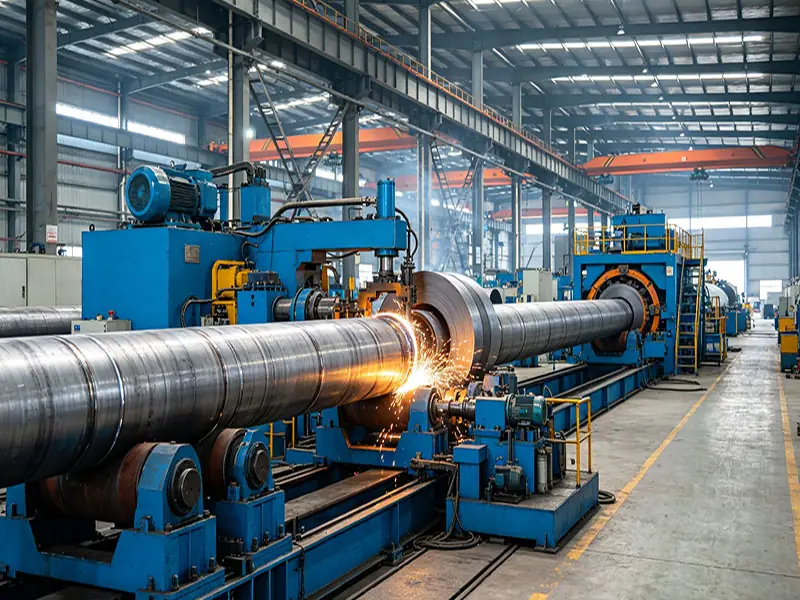
This galvanizing machine is used in steel pipe manufacturing plants for periodic hot-dip galvanizing of straight-seam and seamless steel pipes.
Municipal infrastructure and water supply (20%)
In urban construction and water supply facilities, this equipment is used for galvanizing pipes of water supply and wastewater systems, fire-fighting pipelines, and city utility networks.
Oil, gas, chemical and energy industries (10%)
This equipment is used for galvanizing chemical process pipelines, electrically conductive pipes and structural steel pipes for onshore industrial installations and power transmission infrastructure.
Other industrial applications (5%)
Additional applications include automotive, rail and general engineering where galvanized steel pipes are used as structural or functional components.
Frequently Asked Questions
question1: What are the main components and what is their typical service life?
A: The main components include galvanizing boiler, heating furnace, combustion system, main galvanizing machine and electrical control system. The zinc boiler is made of 60mm thick XG08 steel plate with a normal service life of 8-10 years. The furnace lining uses high purity refractory fiber with a normal service life of 5-8 years. Other main electrical components are imported or jointly produced, ensuring long service life and high stability.
Question 2: What is the energy consumption of this equipment and what are its energy saving advantages over traditional designs?
A: This equipment uses energy-saving full fiber furnace design combined with high-speed pulse combustion technology. Compared to traditional brick-lined stoves, natural gas consumption is reduced by more than 15%. In addition, the integrated waste heat steam generator recovers 100% of the boiler exhaust heat, converting waste heat into process steam, further reducing production energy consumption.
Question 3:Is it possible to configure the equipment in accordance with international certification requirements?
A: The equipment is designed in accordance with GB/T 13912-2002 standard, and can be customized to meet CE and ISO 9001 requirements. The main electrical components meet the applicable 3C certification standards.
Question 4:What is the installation and commissioning time? Is installation manual and on-site training provided?
A: The total installation and commissioning period is approximately 60-100 days. Our company sends 11 technical specialists to the customer's site to assist local workers throughout the entire process of installation, commissioning and trial operation. We also provide comprehensive training in equipment operation, routine maintenance and safety procedures to ensure client personnel can operate equipment independently and safely.
Question 5: What technical documentation is available to support project evaluation?
A: Full technical documentation is available, including thermal efficiency test reports, equipment inspection certificates, installation and commissioning manuals, and operation and maintenance manuals.
Conclusion
The hot-dip galvanizing plant for steel pipes is designed to solve the main operational challenges facing modern galvanizing plants - productivity limitations, coating heterogeneity, high energy consumption and environmental compliance.
If you are planning to modernize an existing galvanizing line or createTurnkey hot-dip galvanizing plantOur team of engineers can provide fully customized solutions based on your performance requirements, plant layout and manufacturing specifications. Contact us today to receive a custom technical proposal, equipment layout and price quote tailored to your production requirements.